
Paediatrics


Paediatrics


Paediatrics
This section has CPD for paediatricians, paediatric specialist nurses, hospital doctors, nurses, GPs and physician’s associates on a range of paediatrics topics, including (but not limited to) skin, gastrointestinal and neurological conditions in children, infectious diseases and diabetes.

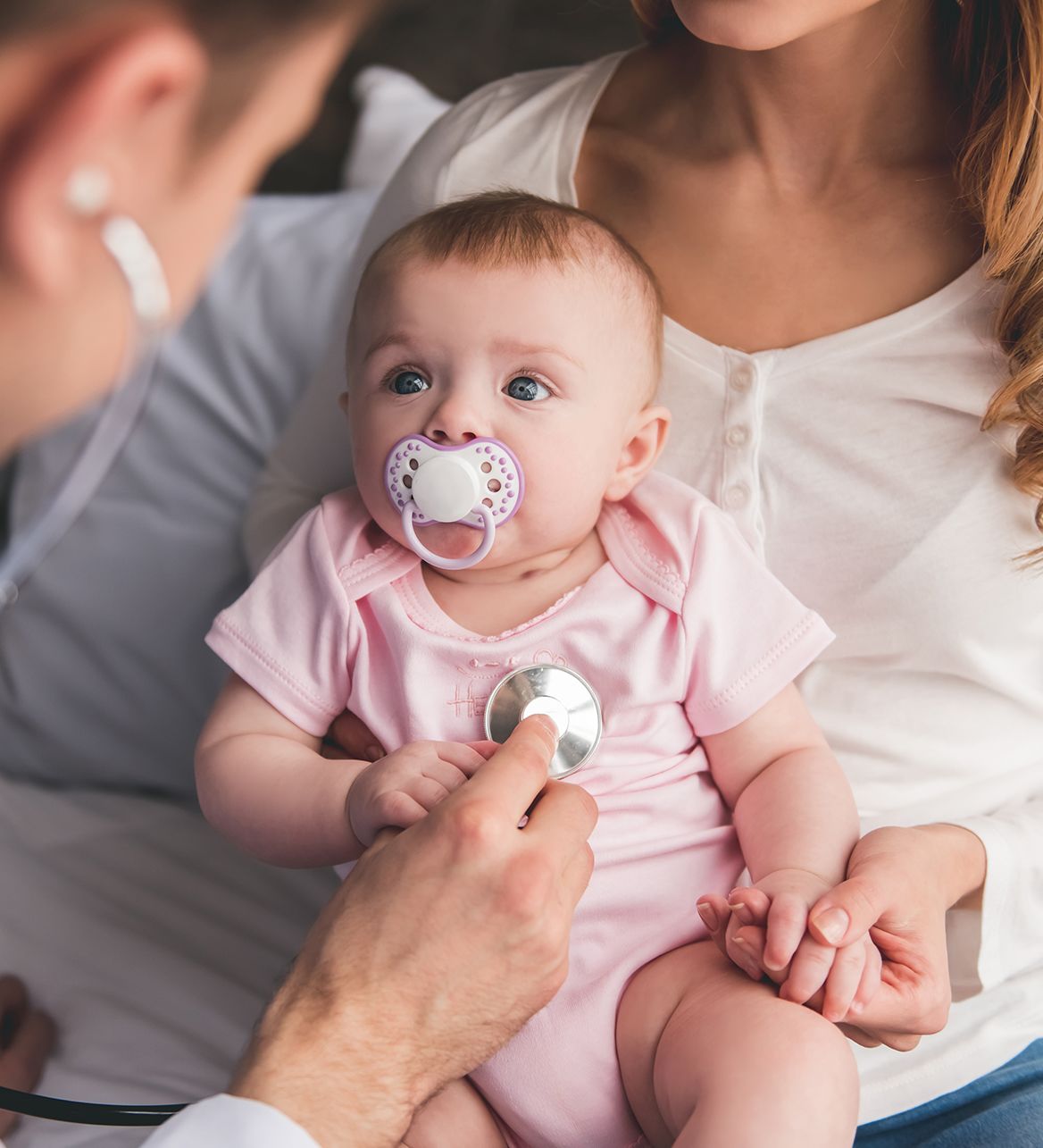


The presentation and management of type 1 diabetes in young people


Module description
1.5 CPD hours
Dr Laura Wade, in this educational module for healthcare professionals with an interest in diabetes, reviews the diagnosis and management of type 1 diabetes in children and young people. She also explores the transition from child services to adult services.
Educational objectives
After completing this module, healthcare professionals should be more equipped to:
● Describe the presentation of diabetes in children and young people
● Understand how to support children (and their families) to self-manage their diabetes
● Address the challenges associated with transitioning from child to adult services
Definition
Type 1 diabetes
Type 1 diabetes is an autoimmune condition whereby the body starts to produce antibodies against the beta cells in the islets of Langerhans within the pancreas. The aetiology of this remains unclear but it is thought to be because of a combination of genetic predisposition and environmental triggers.4
Beta cells are responsible for producing insulin, which is required by the body to facilitate the entry of glucose into adipose tissue and skeletal muscle as well as stimulating glycogen, fat, and protein synthesis. Over time, with type 1 diabetes, the cells are destroyed and insulin production drops over a period of weeks to months. The lack of insulin in the body causes glucose to build up in the bloodstream and symptoms of diabetes start to develop.
Type 2 diabetes
Type 2 diabetes results when the beta cells cannot produce enough insulin to meet demand because of insulin resistance. The numbers of children presenting with type 2 are small compared with those presenting with type 1, but the incidence is increasing. Combined data from the National Diabetes Audit (NDA) and NPDA showed that there were 1,560 cases of type 2 diabetes in those under 19 years in 2019–20.1
Below outlines the key symptoms of type 1 diabetes (see The four Ts for the four most common symptoms).

Abdominal pain

Blurred vision

Drowsiness /confusion
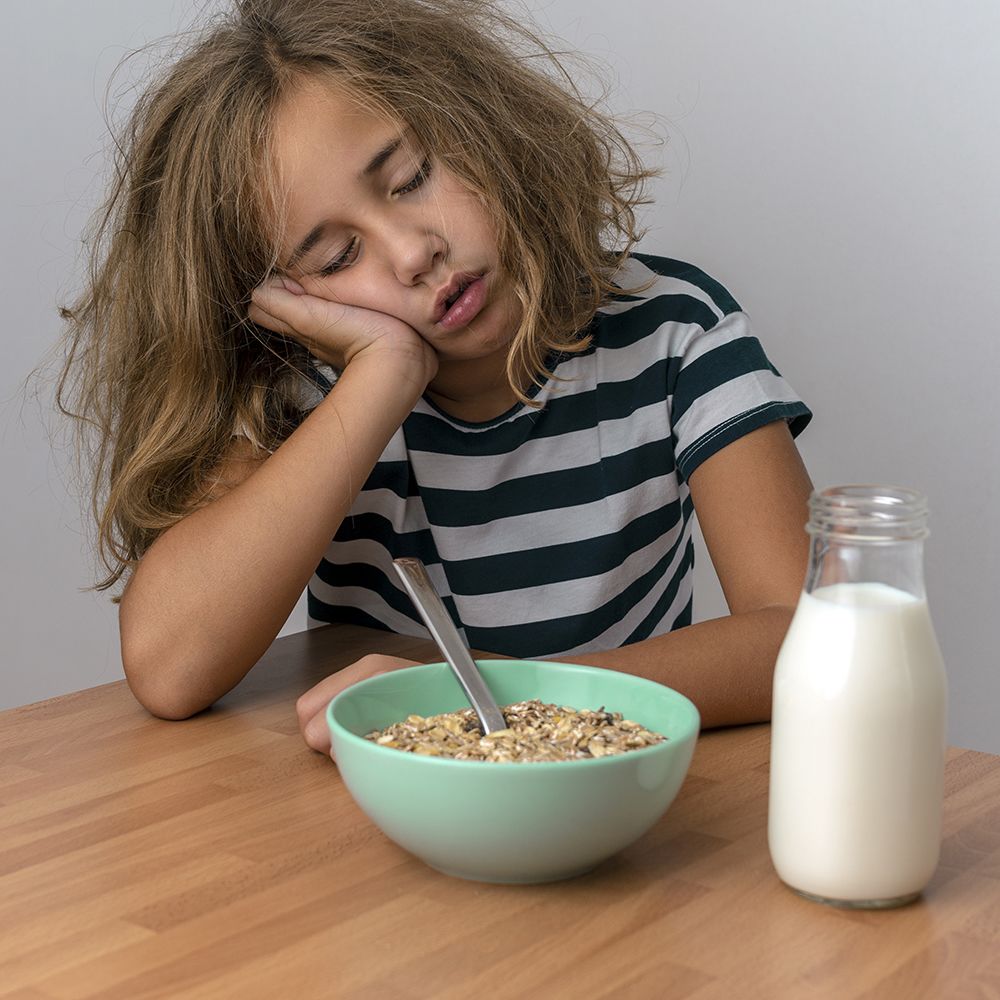
Fatigue

Polydipsia (thirst)
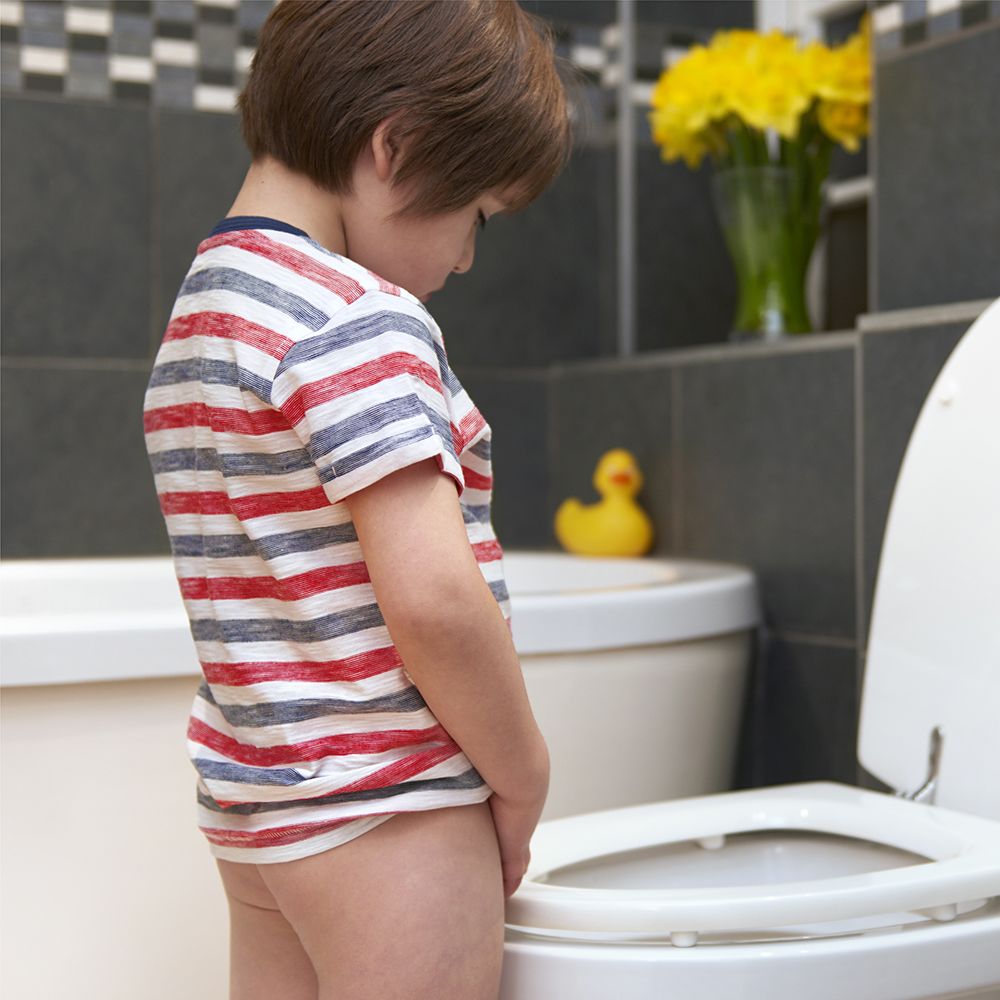
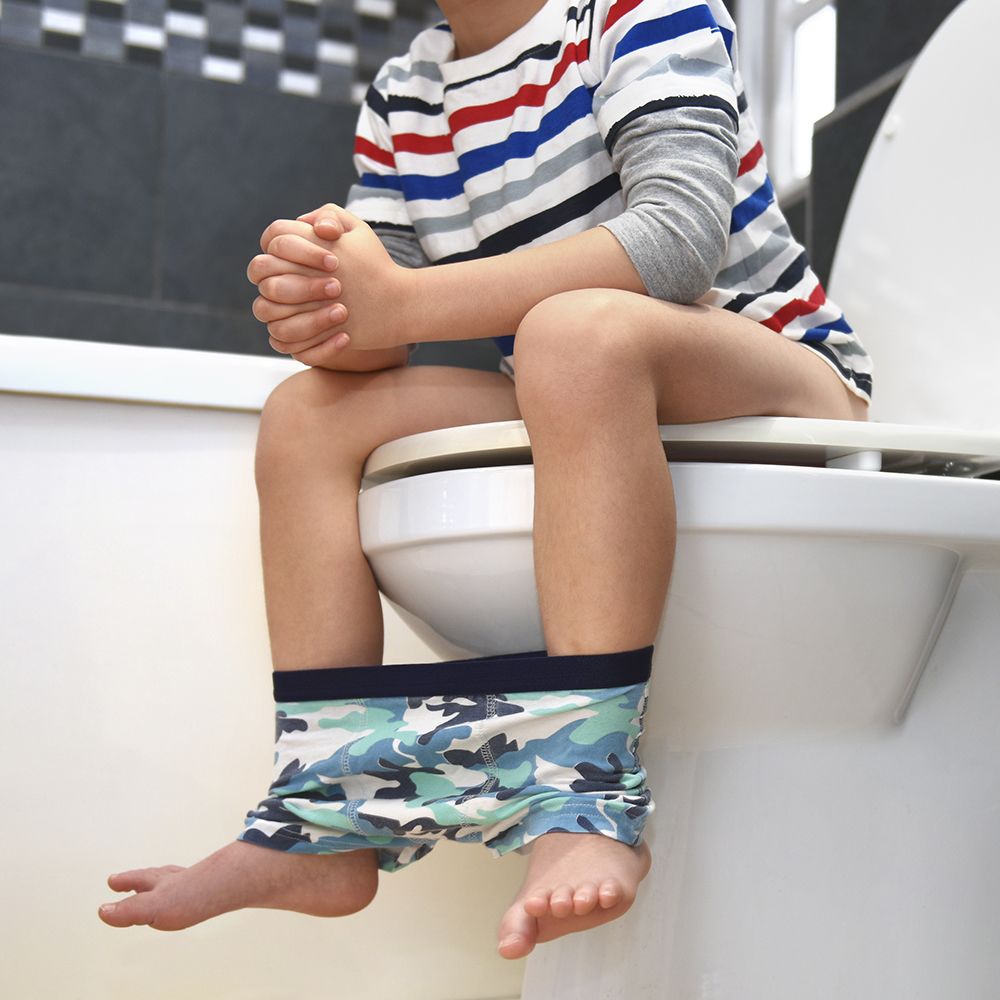
Polyuria (toilet)
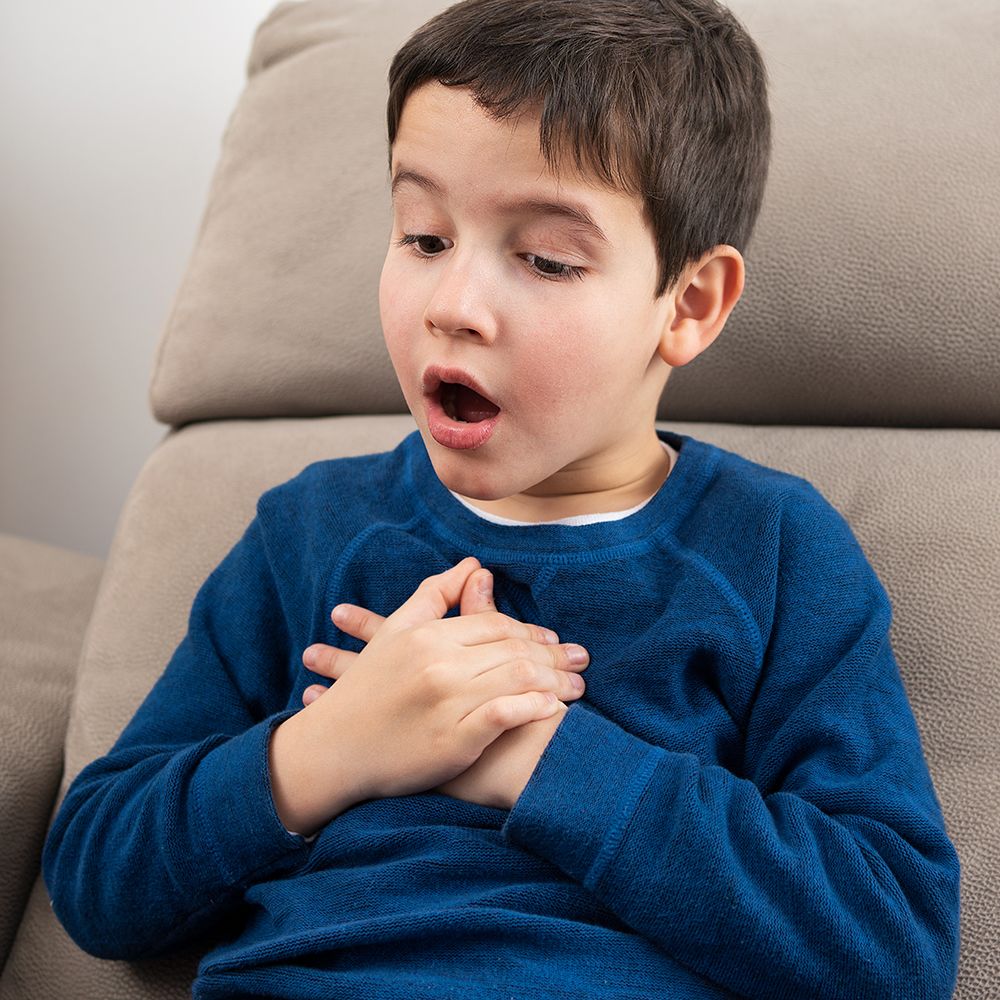
Rapid or deep breathing
Recurrent urinary tract infection/thrush
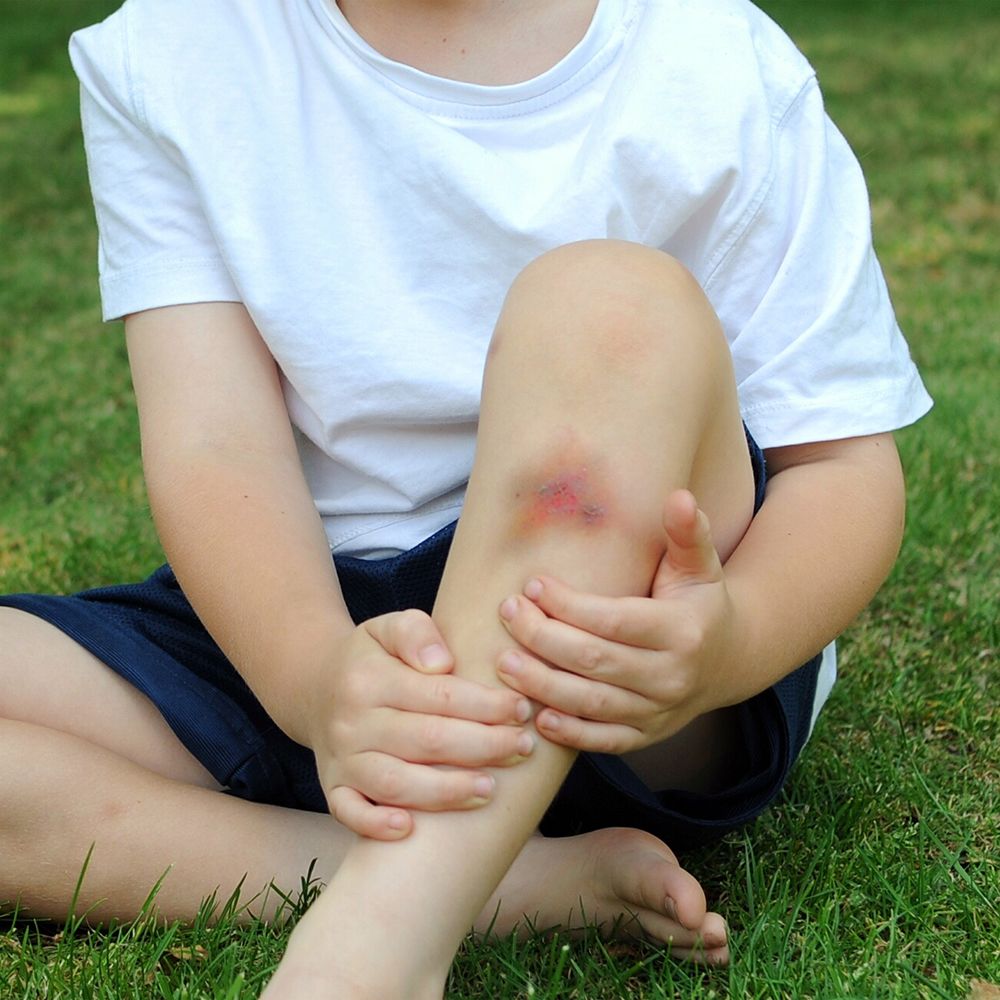
Slow wound healing
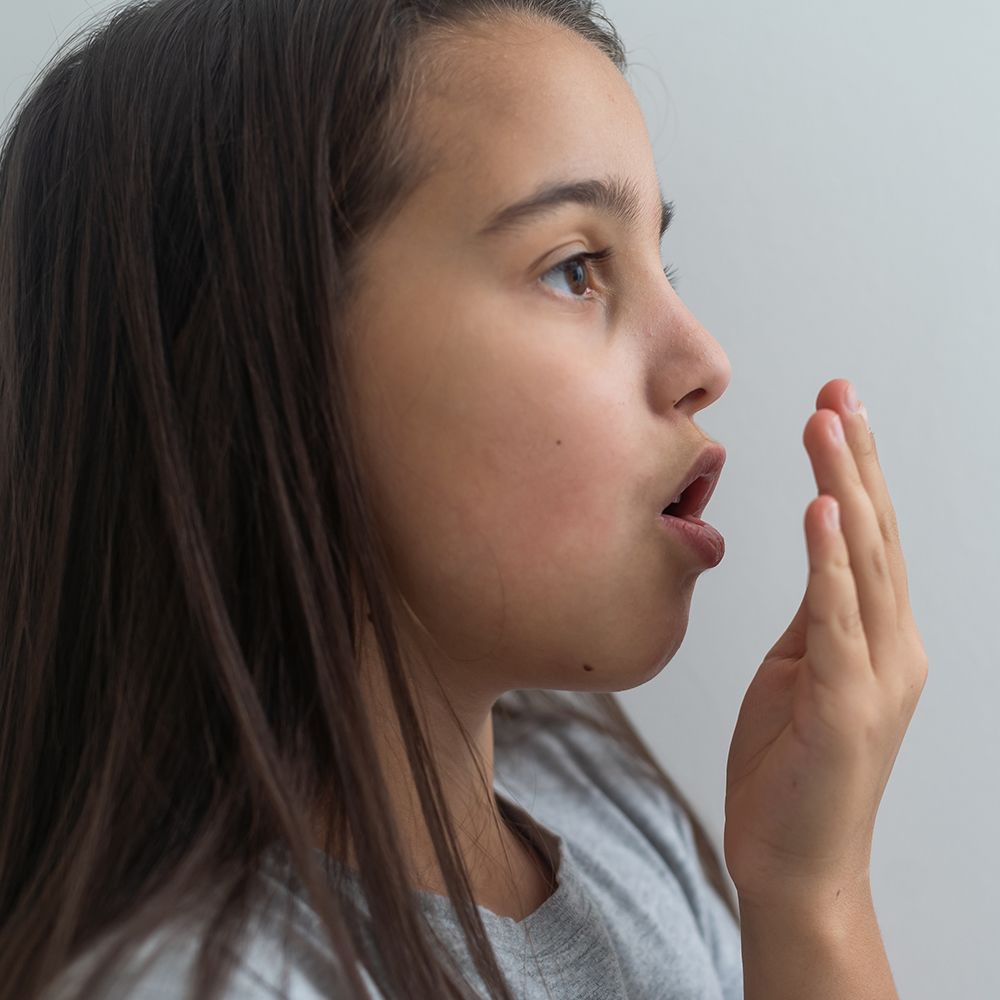
Sweet/fruity smelling breath
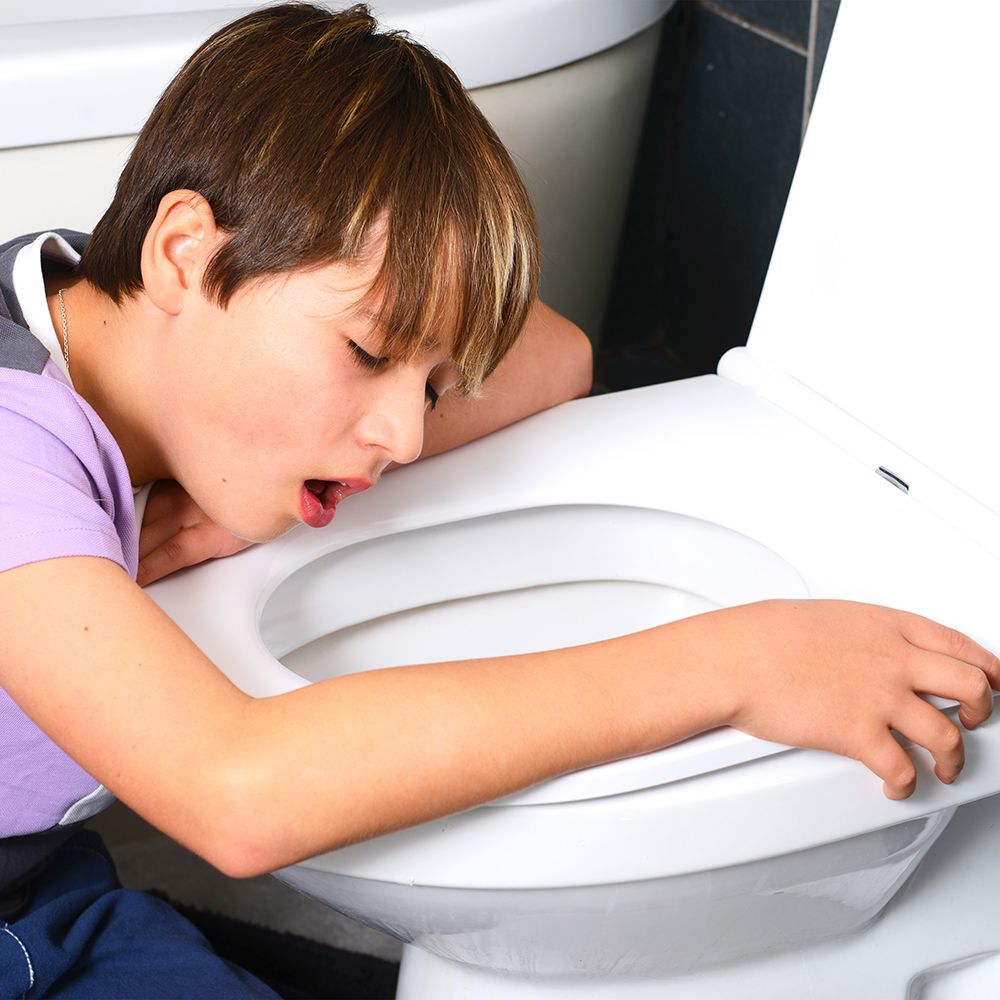
Vomiting
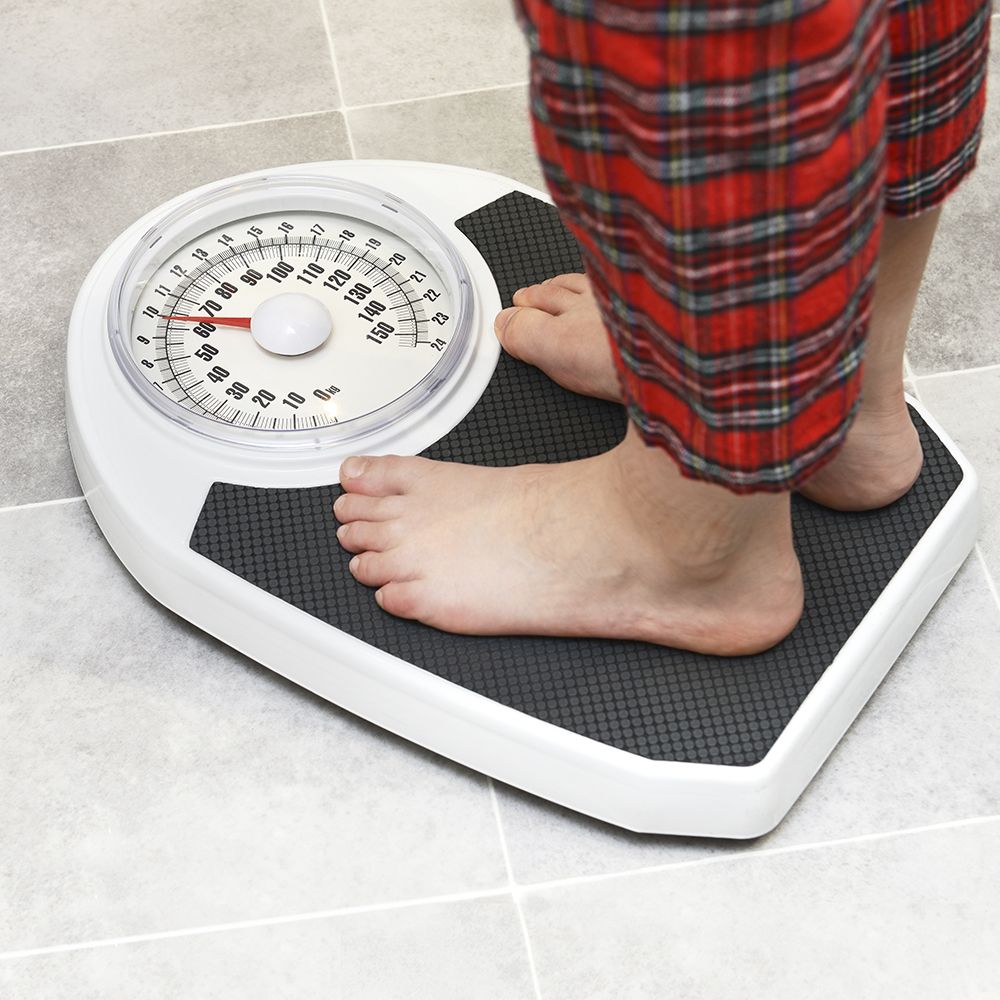
Weight loss
References
1. National Diabetes Audit. Young people with type 2 diabetes, 2019–20. August 2021.
4. Couper JJ, Haller MJ, Greenbaum CJ et al. ISPAD clinical practice consensus guidelines 2018: Stages of type 1 diabetes in children and adolescents. Pediatr Diabetes 2018; 19(Suppl 27): 20–7.
The four Ts
Scroll to reveal the four most common symptoms of type 1 diabetes (‘the four Ts’).










Tiredness
Thirst (polydipsia)
Toilet (polyuria)
Thinness (weight loss)
Hormonal changes
Puberty heralds a change in the body’s hormonal levels as well as growing independence and social pressures. There is mixed evidence about the effects of puberty on insulin resistance.14,15 During puberty, there is a rise in growth hormone (GH) and insulin-like growth factor 1 and these are thought to increase insulin resistance. The Diabetes Control and Complications Trial found that adolescents with diabetes, in both control and intervention groups, had HbA1c levels nearly 1% higher than the comparable adult groups.16 Additionally, the Hvidøre Study Group on Childhood Diabetes noted that sharp increases in insulin were required during the pubertal years.17
GH release peaks overnight and can lead to the ‘dawn phenomenon’ with glucose levels becoming elevated between 3am and 8am. If the patient uses SC insulin injections, the long-acting evening insulin dose may need to be increased to help overcome this rise — providing it does not result in hypoglycaemia in the early part of the evening. Insulin pumps can be particularly helpful during puberty as they allow tailoring of the basal rate each hour of the day.18




GH release peaks overnight and can lead to the ‘dawn phenomenon’ with glucose levels becoming elevated between 3am and 8am
(Image credit: Tetra Images/Getty Images)
References
14. Moran A, Jacobs DR Jr, Steinberger J et al. Insulin resistance during puberty: results from clamp studies in 357 children. Diabetes 1999; 48(10): 2039–44.
15. Raab J, Haupt F, Kordonouri O et al. Continuous rise of insulin resistance before and after the onset of puberty in children at increased risk for type 1 diabetes - a cross-sectional analysis. Diabetes Metab Res Rev 2013; 29(8): 631–5.
16. Diabetes Control and Complications Research Group. Effect of intensive diabetes treatment on the development and progression of long-term complications in adolescents with insulin-dependent diabetes mellitus. J Pediatr 1994; 125(2): 177–88.
17. Mortensen HB, Robertson KJ, Aanstoot HJ et al. Insulin management and metabolic control of type 1 diabetes mellitus in childhood and adolescence in 18 countries. Diabet Med 1998; 15(9): 752–9.
18. Trast J. CE: Diabetes and puberty: a glycemic challenge. Am J Nurs 2014; 114(7): 26–35.

The presentation and management of type 1 diabetes in young people
Dr Laura Wade, in this educational module for healthcare professionals with an interest in diabetes, reviews the diagnosis and management of type 1 diabetes in children and young people. She also explores the transition from child services to adult services.
The presentation and management of type 1 diabetes in young people
Dr Laura Wade, in this educational module for healthcare professionals with an interest in diabetes, reviews the diagnosis and management of type 1 diabetes in children and young people. She also explores the transition from child services to adult services.


Guidance update: NICE guidelines on bronchiolitis in children



Module description
1.5 CPD hours
In this module, reviewed and updated by Dr Pipin Singh, Dr Suneeta Kochhar discusses the NICE guidelines on the diagnosis and management of bronchiolitis in children.
Educational objectives
After taking this activity healthcare professionals should be better able to:
● The typical presentation of bronchiolitis
● How to diagnose the condition in primary care
● When to refer to emergency care or secondary care
● Management options
Introduction
Bronchiolitis is a common condition that affects the lower respiratory tract, and it is typically seen in the winter months. It often affects children aged under 2 years, with about 1 in 3 infants developing bronchiolitis during the first year of life. Of infants who develop bronchiolitis, 2–3% will require hospitalisation.1
Most cases present in infants 3–6 months of age, with coryzal symptoms for 1–3 days followed by cough and wheeze. In infants younger than 6 weeks old, apnoea may be the only clinical feature. There tends to be increased respiratory effort evidenced by tachypnoea, grunting and chest wall recession. Moreover, bronchiolitis may affect feeding because of the increased work of breathing.
It is usually a self-limiting condition that is often associated with respiratory syncytial virus (RSV). Other implicated pathogens include human metapneumovirus, influenza virus, adenovirus and coronavirus. Transmission is from person to person through airborne droplets and contact with nasal secretions or fomites.


This module will review the NICE guidelines on the diagnosis and management of bronchiolitis in children, which was originally published in June 2015 and updated in August 2021.2
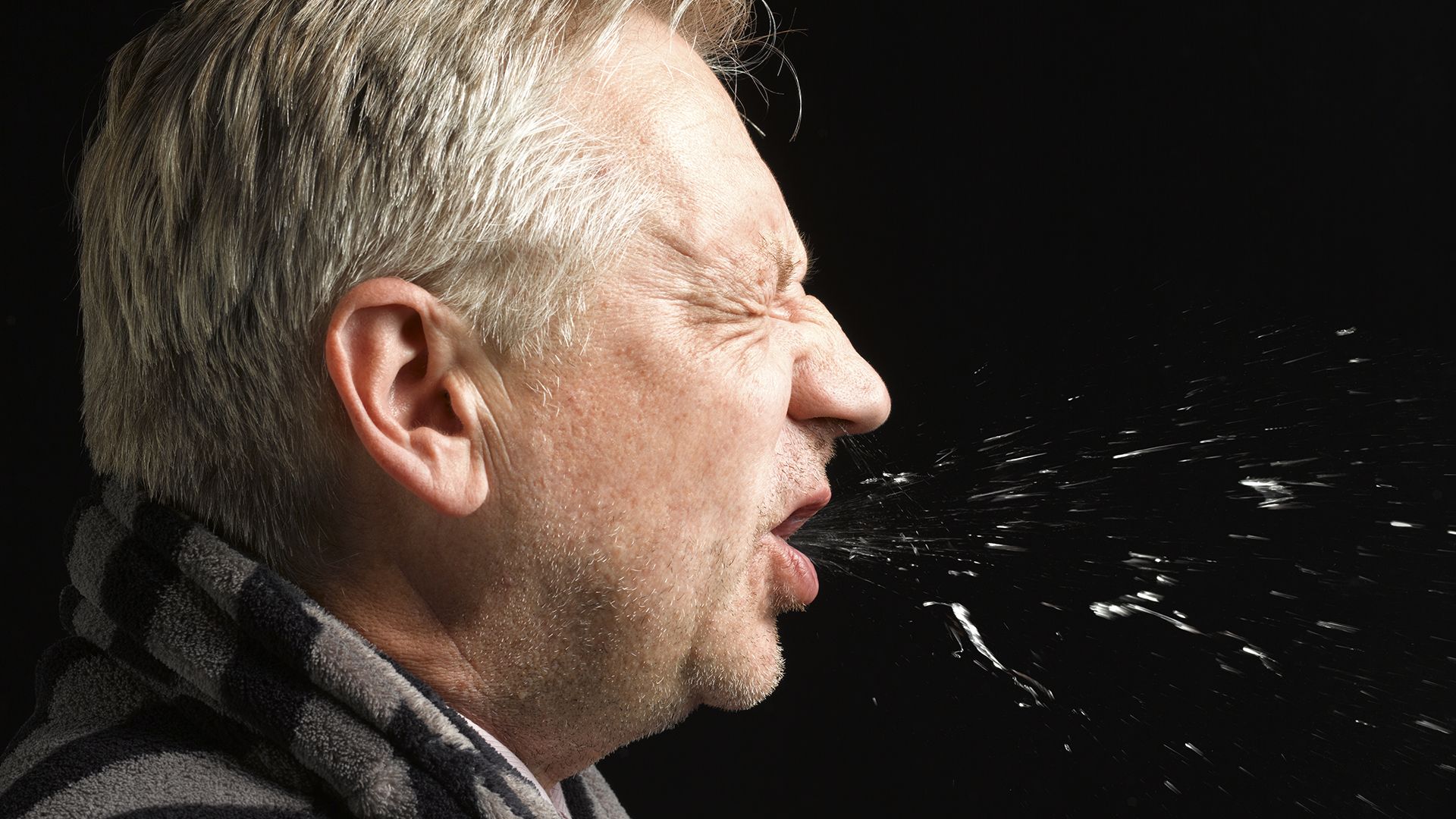
Transmission is from person to person through airborne droplets and contact with nasal secretions or fomites.
(Image credit: Peter Dazeley/Getty Images)
References
1. NICE. Bronchiolitis in children. QS122. June 2016.
2. NICE. Bronchiolitis in children: diagnosis and management. NG9. August 2021
Red flags for carers
Below outlines the ‘red flag’ symptoms that carers should be aware of as these symptoms require prompt clinical review.
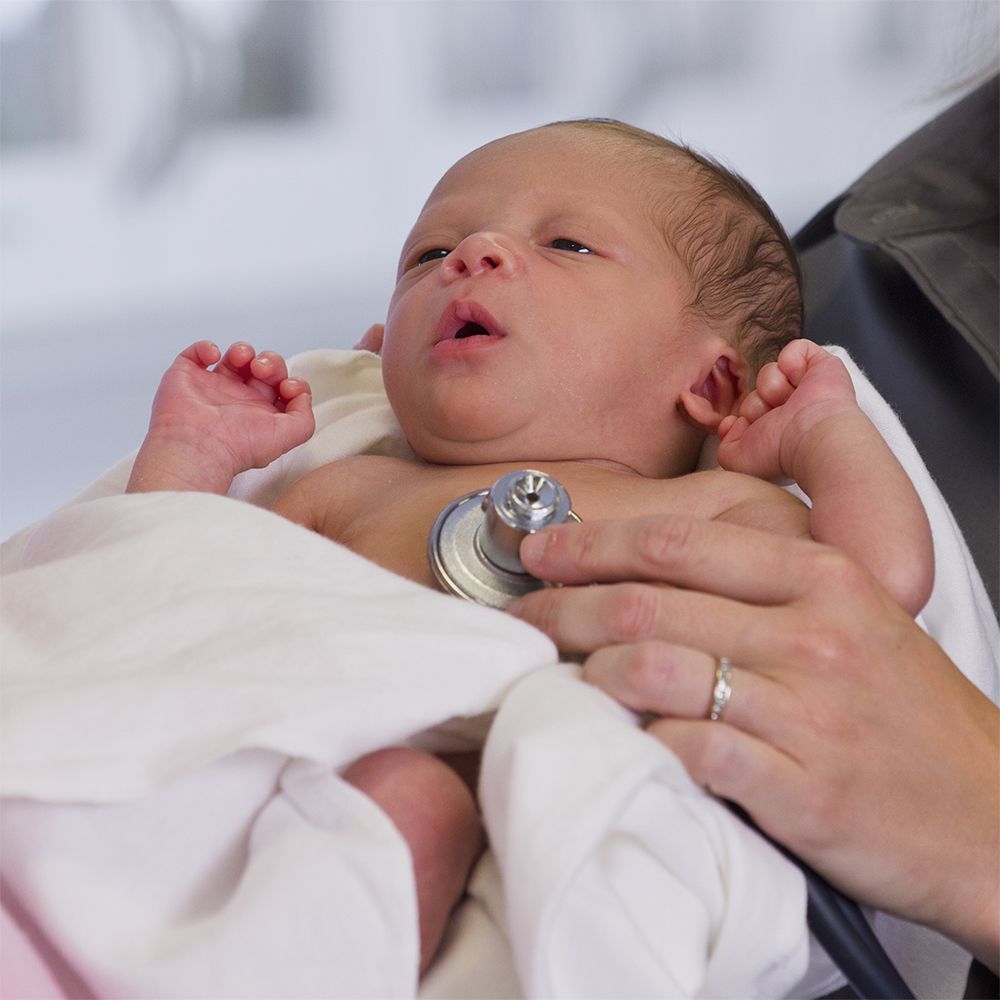
Worsening work of breathing, such as grunting, nasal flaring, or marked chest recession
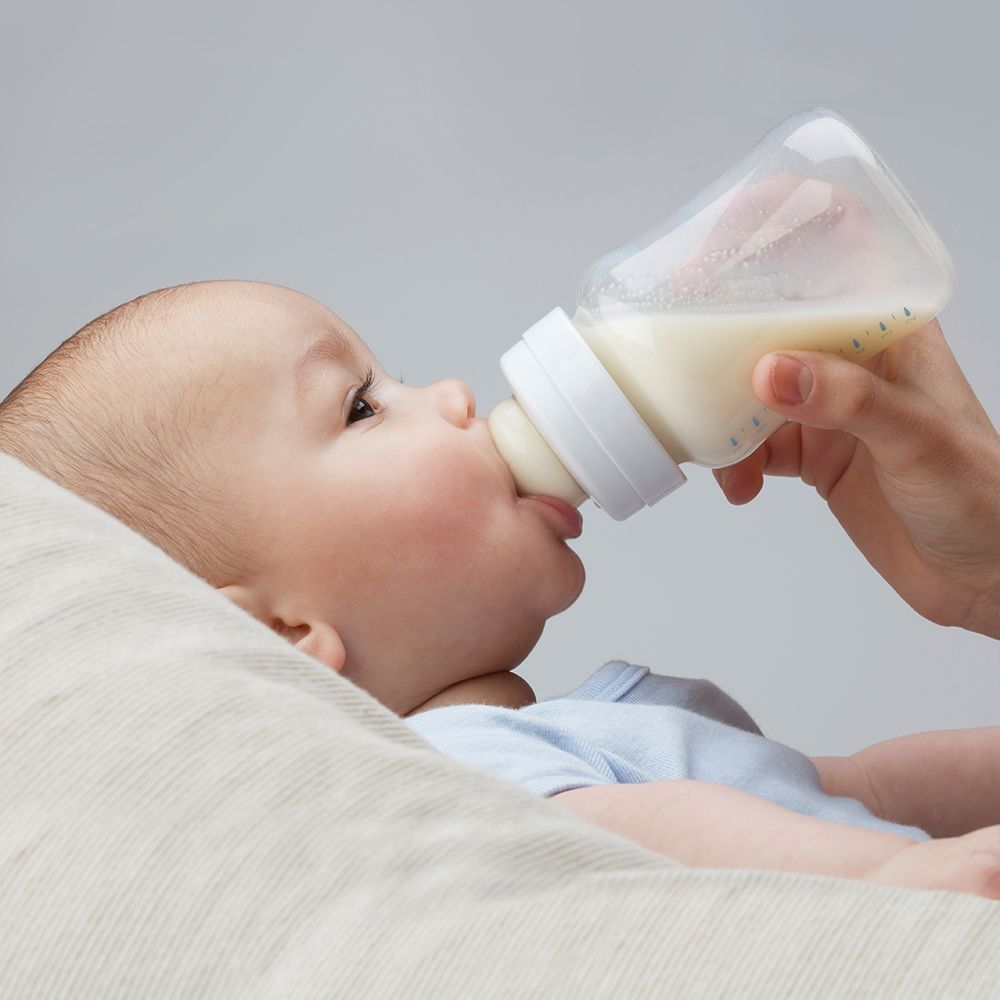
50–75% reduction in usual fluid intake or no wet nappy for 12 hours

Apnoea or cyanosis

Exhaustion, such as not responding normally to social cues or waking only with prolonged stimulation

Floppy or irritable

Persistent high temperature that is unresponsive to antipyretics
Worsening work of breathing, such as grunting, nasal flaring, or marked chest recession
50–75% reduction in usual fluid intake or no wet nappy for 12 hours
Apnoea or cyanosis
Exhaustion, such as not responding normally to social cues or waking only with prolonged stimulation
Floppy or irritable
Persistent high temperature that is unresponsive to antipyretics
Medications
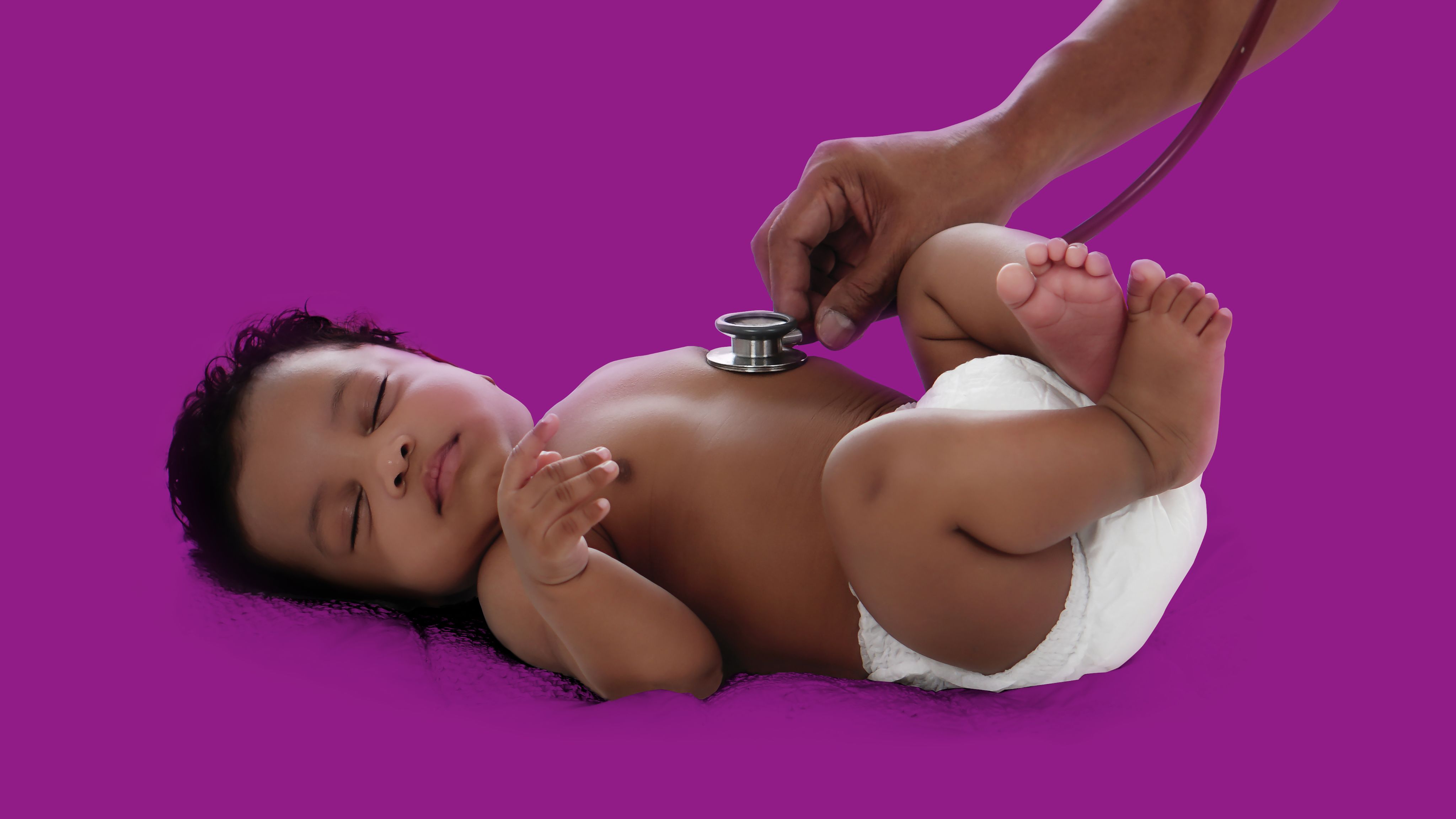
Prior to the guidelines being published in 2015, steroids and salbutamol inhalers or nebulisers were used for some infants. However, the guidelines clearly state that the following medications are not useful and should not be given.

● Antibiotics
● Hypertonic saline
● Adrenaline (nebulised)
● Salbutamol
● Montelukast
● Ipratropium bromide
● Systemic or inhaled corticosteroids
● A combination of systemic corticosteroids and nebulised adrenaline
The guidelines do not mention humidified high-flow nasal cannula.
Audit ideas
Scroll to reveal audit ideas for improving the management of bronchiolitis in primary care.





An audit could examine whether children with bronchiolitis were referred immediately, if there was a history of observed or reported apnoea, severe respiratory distress, central cyanosis or persistent oxygen saturation of less than 92% on air if oxygen saturations were carried out in primary care.
Another audit idea could be to look at how many patients with suspected bronchiolitis or respiratory symptoms (with codes such as respiratory tract infection, viral upper respiratory tract infection, or bronchiolitis) actually have their saturations measured in-house.
Other auditable standards include reviewing cases of children with bronchiolitis to determine whether treatments such as antibiotics, salbutamol, systemic or inhaled corticosteroids were used to treat bronchiolitis.
Guidance update: NICE guidelines on bronchiolitis in children
In this module, reviewed and updated by Dr Pipin Singh, Dr Suneeta Kochhar discusses the NICE guidelines on the diagnosis and management of bronchiolitis in children.
Guidance update: NICE guidelines on bronchiolitis in children
In this module, reviewed and updated by Dr Pipin Singh, Dr Suneeta Kochhar discusses the NICE guidelines on the diagnosis and management of bronchiolitis in children.

What’s new in eczema
0.5 CPD hours
What is the role of the skin microbiome in eczema? What are some newer treatments for this condition? Consultant dermatologist Dr Suchitra Chinthapalli answers these questions and more in this on-demand webinar for dermatologists, GPs and other healthcare professionals with an interest in dermatology.
Educational objectives
After taking this activity healthcare professionals should be better able to:
● Discuss the epidemiology of eczema
● Review the different types of topical therapies and the data surrounding their efficacy, adherence and adverse effects
● Understand the role of the skin microbiome in eczema
● Prescribe appropriately for treating this condition

Paediatrics research briefing July 2023
0.5 CPD hours
In this research briefing, aimed at paediatricians, paediatrics nurses, GPs and other healthcare professionals, urgent care physician Dr Ivan Koay presents a curated section of research related to paediatrics, and discusses the implications of their findings for clinical practice.
Educational objectives
After taking this activity healthcare professionals should be better able to:
● Is shorter-duration antibiotic therapy comparable to conventional treatment for paediatric community-acquired pneumonia?
● Could introducing food allergens at the right time help eliminate food allergies?
● What is the confidence, experience and awareness of paediatric ED health professionals in managing traumatic dental injuries?

Tourette syndrome and other tic disorders in children and adolescents
1 CPD hour
In this educational module for psychiatrists and other healthcare professionals with an interest in mental health, Olivia Horner, Dr Tammy Hedderly, and Dr Osman Malik look at Tourette syndrome (TS) and other tic disorders in children and adolescents. They review aetiology, diagnosis, and management options.
Educational objectives
After taking this activity healthcare professionals should be better able to:
● Discuss the differences between TS and other tic disorders
● Describe the comorbid conditions that are commonly associated with TS
● Understand what questions to ask to determine if behaviours relate to a tic disorder
Scarlet fever
0.5 CPD hours
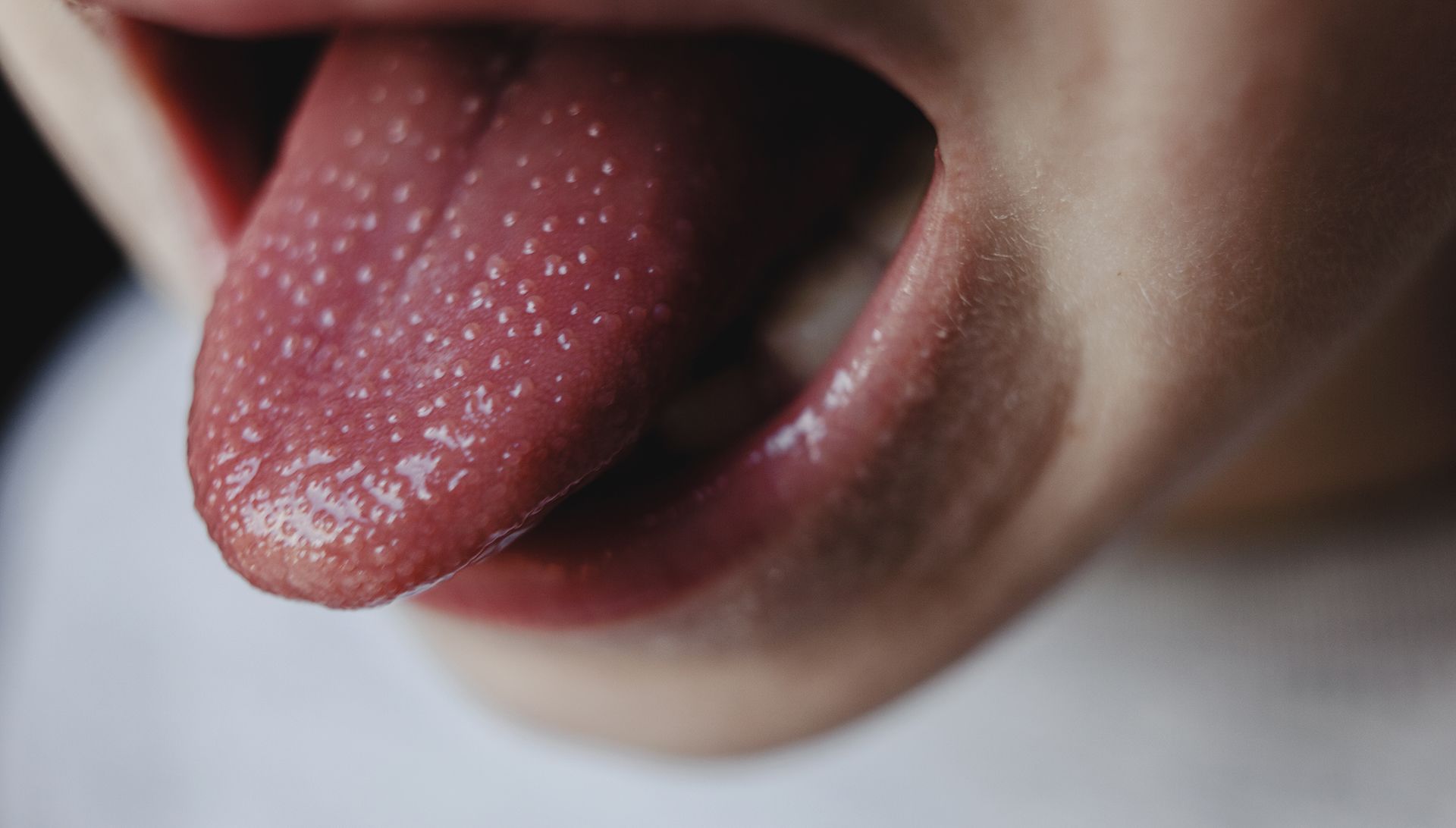
This module, updated by Dr Pipin Singh, gives an overview of the presentation and management of scarlet fever. Key learning points for healthcare professionals include when to take a throat swab and culture, differential diagnoses, possible complications and prognosis.
Educational objectives
After taking this activity healthcare professionals should be better able to:
● Describe the classic presentation of scarlet fever
● Explain the mechanism of transmission of scarlet fever
● Decide when investigations are required to inform a diagnosis
● Identify differential diagnoses
● Advise on when children with scarlet fever can return to school
What’s new in eczema
0.5 CPD hours
What is the role of the skin microbiome in eczema? What are some newer treatments for this condition? Consultant dermatologist Dr Suchitra Chinthapalli answers these questions and more in this on-demand webinar for dermatologists, GPs and other healthcare professionals with an interest in dermatology.
Educational objectives
After taking this activity healthcare professionals should be better able to:
● Discuss the epidemiology of eczema
● Review the different types of topical therapies and the data surrounding their efficacy, adherence and adverse effects
● Understand the role of the skin microbiome in eczema
● Prescribe appropriately for treating this condition
Paediatrics research briefing July 2023
0.5 CPD hours
In this research briefing, aimed at paediatricians, paediatrics nurses, GPs and other healthcare professionals, urgent care physician Dr Ivan Koay presents a curated section of research related to paediatrics, and discusses the implications of their findings for clinical practice.
Educational objectives
After taking this activity healthcare professionals should be better able to:
● Is shorter-duration antibiotic therapy comparable to conventional treatment for paediatric community-acquired pneumonia?
● Could introducing food allergens at the right time help eliminate food allergies?
● What is the confidence, experience and awareness of paediatric ED health professionals in managing traumatic dental injuries?
Tourette syndrome and other tic disorders in children and adolescents
1 CPD hour
In this educational module for psychiatrists and other healthcare professionals with an interest in mental health, Olivia Horner, Dr Tammy Hedderly, and Dr Osman Malik look at Tourette syndrome (TS) and other tic disorders in children and adolescents. They review aetiology, diagnosis, and management options.
Educational objectives
After taking this activity healthcare professionals should be better able to:
● Discuss the differences between TS and other tic disorders
● Describe the comorbid conditions that are commonly associated with TS
● Understand what questions to ask to determine if behaviours relate to a tic disorder
Scarlet fever
0.5 CPD hours
This module, updated by Dr Pipin Singh, gives an overview of the presentation and management of scarlet fever. Key learning points for healthcare professionals include when to take a throat swab and culture, differential diagnoses, possible complications and prognosis.
Educational objectives
After taking this activity healthcare professionals should be better able to:
● Describe the classic presentation of scarlet fever
● Explain the mechanism of transmission of scarlet fever
● Decide when investigations are required to inform a diagnosis
● Identify differential diagnoses
● Advise on when children with scarlet fever can return to school
 Built with Shorthand